Out-of-Band SSH Tunnel Failover: Why Stability Beats Speed
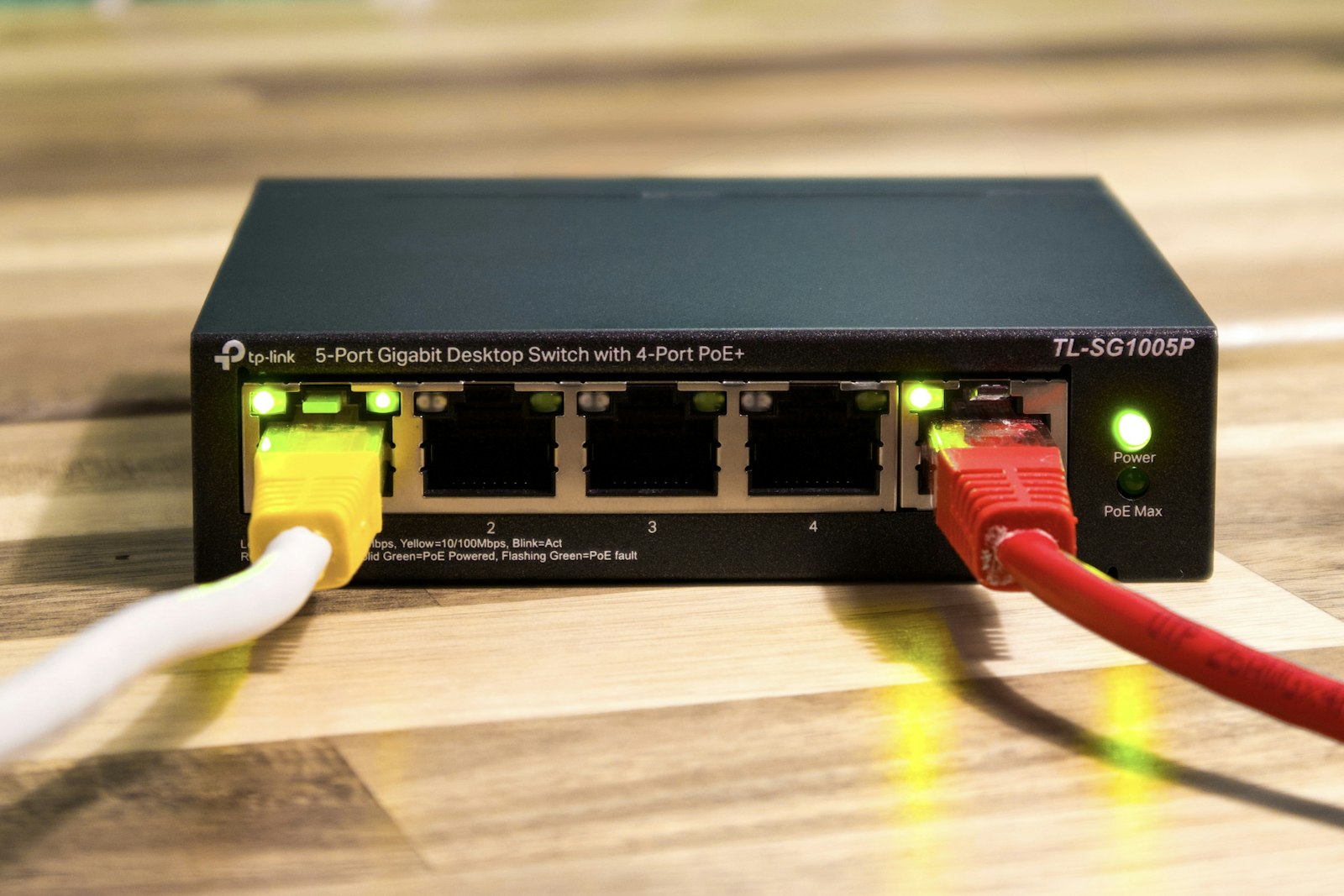
We deployed a FreeBSD Bastille jail to remote infrastructure with two internet uplinks: LTE (primary, unreliable) and WiFi (secondary, stable).
This jail serves a critical role: out-of-band management access for the entire remote site. When the primary uplink failed, manual intervention was required to restore access. For infrastructure without remote hands-on-deck, this is unacceptable.
The solution: automatic gateway failover with autossh + ifstated to maintain persistent SSH tunnel access regardless of which uplink is operational. But naive health checking made the system worse than useless—constant flapping, tunnel drops, and lost access.
Note: This implementation uses FreeBSD’s ifstated for the state machine, but the approach applies equally to OpenBSD (which also has ifstated) and Linux systems using alternatives like keepalived or custom health check scripts. The core lesson—stability over speed for recovery access—is universal.
The Naive Approach
Single ping health check. Every 10 seconds, ifstated would:
ping -c 1 8.8.8.8 > /dev/null 2>&1 && echo "up" || echo "down"
One failed ping = gateway down = switch routes. Simple. It failed.
What happened: Any transient packet loss triggered immediate failover. Failover cascaded: every 30-60 seconds, the route switched, the SSH tunnel broke, autossh tried to reconnect, but by then the gateway had switched again.
Single transient failure = full system flap.
The root cause was architectural: we needed autossh to establish the tunnel, but the health check was too trigger-happy to let it succeed.
Why Timeout Tuning Alone Wasn’t Enough
We tried aggressive SSH timeouts:
ServerAliveInterval 10
ServerAliveCountMax 2
ExitOnForwardFailure yes
This meant: detect failure in 20 seconds. But the gateway was switching every 30 seconds. By the time autossh restarted, the next health check had already triggered failover.
The problem wasn’t tunnel detection. The problem was health check sensitivity.
The Fix: Two-Tier Health Checks
Require 2 consecutive successful pings before declaring a gateway down. Here’s the health check script:
#!/bin/sh
# Universal gateway health check script

ENDPOINT="${1:-8.8.8.8}"
GATEWAY_NAME="${2:-Unknown}"
PINGS_REQUIRED="${3:-2}"
PING_TIMEOUT=2
PINGS_SUCCESS=0

# Run consecutive pings and count successes
for i in $(seq 1 $PINGS_REQUIRED); do
  ping -c 1 -W $PING_TIMEOUT "$ENDPOINT" > /dev/null 2>&1 && PINGS_SUCCESS=$((PINGS_SUCCESS + 1))
done

# Pass if majority succeeded
THRESHOLD=$(((PINGS_REQUIRED / 2) + 1))
if [ $PINGS_SUCCESS -ge $THRESHOLD ]; then
  exit 0
fi

logger -t ifstated "$GATEWAY_NAME: unreachable ($ENDPOINT, $PINGS_SUCCESS/$PINGS_REQUIRED)"
exit 1
Usage:
fallback-check-connectivity 8.8.8.8 "LTE Gateway" 2
fallback-check-connectivity 1.1.1.1 "WiFi Gateway" 2
One transient packet loss = no action. Two consecutive failures = genuine outage. This gives autossh a stable 20-second window to establish the tunnel. Single change, eliminated flapping.
FreeBSD/OpenBSD ifstated Configuration
Both FreeBSD and OpenBSD provide ifstated as the state machine daemon. Here’s the configuration (identical on both systems):
# /etc/ifstated.conf

init-state primary

lte_up  = '( "/usr/local/bin/fallback-check-connectivity 8.8.8.8 LTE 2" every 10 )'
wifi_up = '( "/usr/local/bin/fallback-check-connectivity 1.1.1.1 WiFi 2" every 10 )'

state primary {
    init {
        run "route change default 192.168.160.254"
        run "logger -t ifstated 'PRIMARY: Using LTE gateway'"
        run "/usr/local/bin/fallback-autossh-restart"
    }
    if ! $lte_up {
        set-state failover
    }
}

state failover {
    init {
        run "route change default 192.168.160.253"
        run "logger -t ifstated 'FAILOVER: Using WiFi gateway'"
        run "/usr/local/bin/fallback-autossh-restart"
    }
    if $lte_up {
        set-state primary
    }
}
Every 10 seconds, ifstated tests the primary gateway. On failure, it switches to the secondary gateway and restarts the SSH tunnel.
SSH Timeout Tuning & Exponential Backoff
SSH keep-alive detection catches tunnel failures in ~20 seconds:
ServerAliveInterval 10
ServerAliveCountMax 2
ExitOnForwardFailure yes
When autossh restarts, exponential backoff prevents hammering the remote server:
attempt=$(($(cat /var/run/autossh-restarts 2>/dev/null || echo 0) + 1))
if [ $attempt -gt 1 ]; then
  delay=$((2 ** (attempt - 1)))
  [ $delay -gt 16 ] && delay=16
  sleep $delay
fi
echo $attempt > /var/run/autossh-restarts
Without backoff: 50+ restart attempts per minute. With it: gradually backs off to 16 seconds max.
What Changed Operationally
Before (Naive failover):
- Gateway switches every 30-60 seconds
- SSH tunnel unreliable (constant drops)
- Users can’t access the fallback infrastructure
- Manual intervention required
After (Stable health checks + proper timeouts):
- Gateway switches only when LTE genuinely fails (detectable after 20 seconds)
- SSH tunnel survives failover (reconnects within 20-30 seconds)
- Automatic recovery without intervention
- 10-minute sustained test: 100% uptime
The Real Lesson
Out-of-band management requires different trade-offs.
This system exists to provide SSH access when the primary infrastructure link is down. Unlike user-facing services where millisecond failover matters, recovery access is about never losing connectivity, even briefly.
The temptation is aggressive: fast detection, immediate action, retry without delay. But for a recovery mechanism:
- One false positive (transient packet loss) triggers cascading failures
- Restart hammering turns a temporary network glitch into permanent loss of access
- Stability matters more than speed
For critical out-of-band access, steady recovery beats fast failover.
A 20-30 second failover window is acceptable if it means the tunnel never flaps. A 2-second failover that oscillates every 30 seconds removes your last way to access the infrastructure.
What We Learned
Out-of-band access cannot afford to flap
- A stable 30-second recovery beats a 5-second failover that oscillates
- Losing access twice per minute is worse than losing it once for 30 seconds
- When this is your recovery path, availability > speed
Single-packet sensitivity is a reliability killer
- Require multiple pings before declaring failure; one transient loss cascades
- Prevents rapid state oscillation and gives downstream systems recovery time
- False positives turn temporary glitches into permanent access loss
Timeout values are empirical, not theoretical
- 90-second SSH timeout was too slow; 5-second was too aggressive
- 20-second timeout (2 keep-alives × 10s) proved optimal
- Test under real failure conditions, not on paper
Orphaned processes silently break recovery
- When autossh parent dies, SSH children persist and hold the port
- New restarts fail with “address already in use”
- Must explicitly kill both parent and children
Exponential backoff is non-negotiable
- Failed restarts without delay hammer the remote server (50+ attempts/minute)
- Turns network glitches into denial of service
- Backoff with 16-second maximum stabilizes recovery
Integration testing is mandatory for recovery systems
- Individual scripts work in isolation; combined system oscillates under stress
- Sustained load test (10-minute, 100% uptime) proves viability
- Lab testing insufficient; real-world failover is the only validation
Trade-offs
What we gave up:
- Faster failover speed (20-30 seconds instead of instant)
- Simpler restart logic (now requires backoff state tracking)
What we got:
- Reliable failover without flapping
- Automatic recovery from transient network glitches
- Stable SSH tunnel that survives gateway switches
- System that self-heals without manual intervention